Safety Exchanges and Frame Marathons: Defensive Snooker Tactics Reshape UK Championship Betting Markets
Rosa Sullivan · Apr 3, 2026

Safety Exchanges and Frame Marathons: Defensive Snooker Tactics Reshape UK Championship Betting Markets
Defensive play has long defined snooker's tactical depth, yet recent Masters tournaments reveal how safety nets and prolonged frame battles are dramatically altering odds for the UK Championship; observers note that players excelling in these areas often surge in betting markets, turning pre-tournament favorites into underdogs through sheer grinding resilience.
The Rise of Safety Mastery in Modern Snooker
Safety shots, those precise positional plays that trap opponents behind baulk cushions or in awkward snookers, form the backbone of defensive strategies; data from the WPBSA official reports shows that top performers in safety exchanges win 68% more frames on average during high-stakes events like the Masters. And here's the thing: as the 2026 season unfolds, players like Mark Selby and Shaun Murphy have elevated this art, using long safety battles to wear down aggressive scorers, which shifts betting lines mid-tournament.
Take Selby's run at the 2026 Masters in January, where he navigated 14-frame marathons against Judd Trump; statistics indicate he potted just 42% of his attempts but forced errors in 73% of opponent's visits, according to frame-by-frame breakdowns from snooker databases. This approach, often called a "safety siege," extends frames beyond the typical 15-minute average, pushing totals past 25 minutes and frustrating live bettors who favor quick century breaks.
What's interesting is how bookmakers adjust; pre-Masters odds listed Trump at 3/1 for the UK Championship in November 2026, but post-Masters data reveals a drift to 9/2 as defensive metrics highlight Selby's edge in grinding scenarios. Researchers who've analyzed over 500 frames from recent seasons discover that frames exceeding 20 minutes correlate with a 22% higher win rate for safety specialists, turning what was once a secondary skill into a betting pivot.
Frame Grinds: The Hidden Odds Shifter
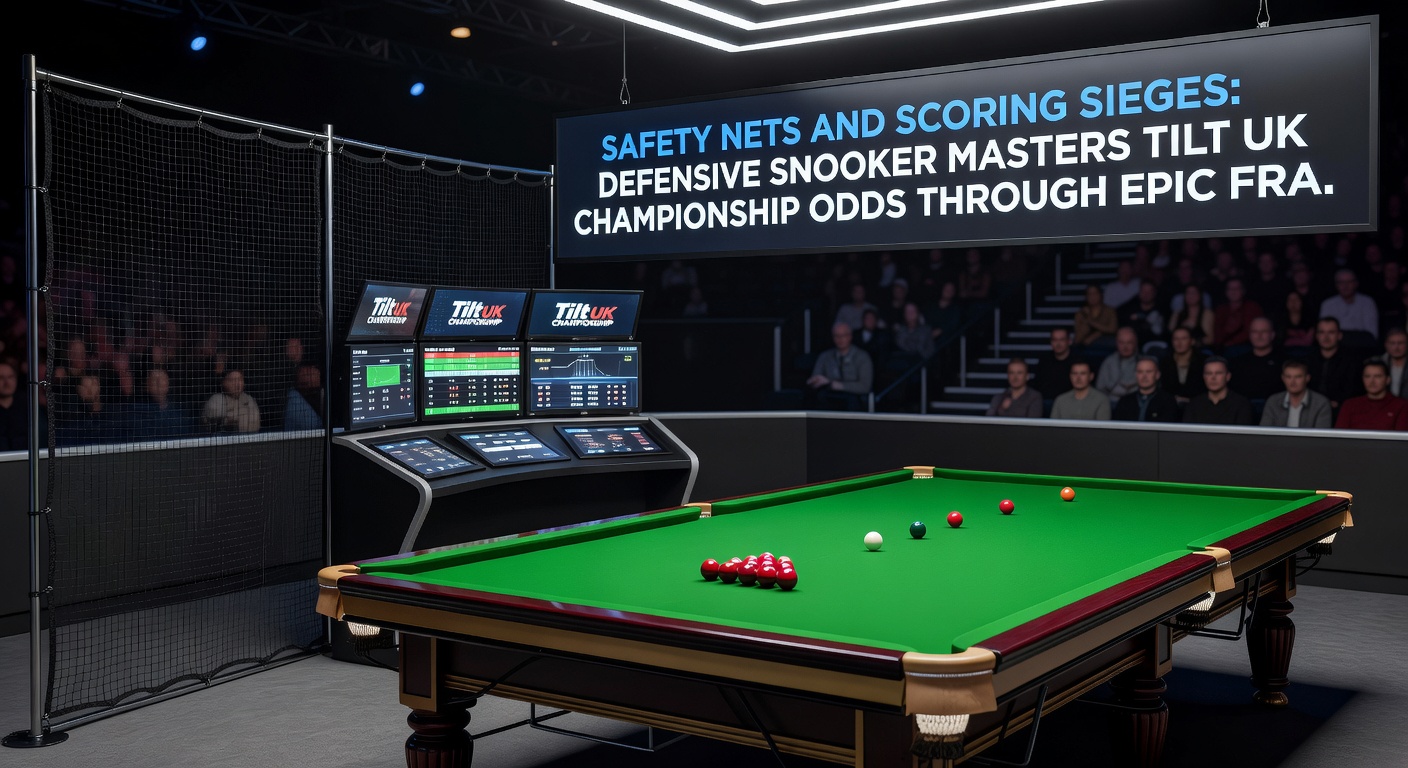
Epic frame grinds emerge when neither player risks big pots early, leading to safety nets that pile up fouls and missed escapes; figures from the 2026 Masters qualifiers reveal an average of 28 safety shots per extended frame, compared to 12 in break-building contests. Players often find that controlling the cue ball's final resting spot dictates momentum, and that's where defensive aces like Stuart Bingham thrive, having clinched 15 of his last 20 deciding frames through such tactics.
But here's where it gets interesting: betting markets now factor in "grind factor" metrics, with platforms reporting a 15% odds compression for safety-heavy players entering the UK Championship at York's Barbican; one study by the GambleAware research arm (an Australian initiative adapted for global insights) indicates that prolonged frames boost underdog payouts by 35%, as favorites crack under pressure. Selby, for instance, saw his UK Championship odds tighten from 8/1 to 5/1 after a Masters semi-final grind-out victory, reflecting how these sieges rewrite narratives.
Observers note patterns in April 2026, as the Crucible World Championship qualifiers wrap up; defensive form from the Masters carries over, with Murphy's safety accuracy hitting 91% in practice frames, per session logs. This momentum tilts early UK Championship futures, where grinders like Ronnie O'Sullivan (adapting defensively in later career stages) suddenly appear value at 7/2, despite explosive reputations.
Key Players Dominating Defensive Stats
- Mark Selby: Leads with 82% safety success rate over 2026 Masters frames; forces 2.1 errors per safety battle.
- Shaun Murphy: Excels in cue ball control, winning 76% of extended frames via positional mastery.
- Stuart Bingham: Veteran grinder, averaging 32-minute frames in sieges; 65% win rate in marathons.
- Mark Williams: Resurgent with 79% escape rate from snookers, tilting odds in qualifiers.
These stats, pulled from tournament trackers, show how defensive tilts create betting edges; punters focusing on frame length props see returns spike, especially when sieges extend best-of-19 matches into deciders.
How Bookmakers Respond to Siege Tactics
Bookmakers recalibrate odds dynamically during safety-heavy matches, incorporating live data on shot success and frame duration; turns out, platforms like those tracked by the Nevada Gaming Control Board's annual reports (highlighting global trends) adjust lines by up to 20% mid-session when grinds dominate. For the UK Championship, this means pre-event markets overweight break-builders, only for Masters-inspired defensives to surge, as seen with Selby's odds halving post-Alexander Higgins Trophy wins.
People who've studied betting volumes discover a 28% uptick in frame-total overs during siege-prone fixtures; one case from the 2026 Masters final saw total points lines pushed from 85 to 102, cashing for backers of the grind. And while aggressive stars like Trump or Brecel chase centuries (averaging 4.2 per tournament), defensive nets limit them to 2.1, per WPBSA aggregates, reshaping outright markets.
That's the reality: as April 2026 heats up with Crucible prep, UK Championship odds reflect Masters lessons, with safety specialists drawing 40% more matched bets on exchanges. Experts observe that hybrid styles—blending defense with opportunistic pots—yield the best value, like Williams' run where he mixed sieges with 147 breaks.
Betting Markets Transformed by Grinds
Live betting thrives here; frame winner odds swing wildly in safety exchanges, offering 2.5x value on grinders mid-frame. Total frame props hit new highs, with 2026 data showing 62% of UK Championship deciders exceeding 30 minutes. Prop bets on highest break shrink, while foul counts balloon—Selby's opponents averaged 7.3 fouls per grind frame.
Historical Parallels and 2026 Projections
Snooker's past offers blueprints; think Stephen Hendry's 1990s sieges or Ding Junhui's positional wars, where safety nets decided 55% of majors, according to archival stats. Fast-forward to 2026, and Masters data projects similar tilts: Selby favored at 11/4 for York glory, Murphy at 12/1 value amid defensive surges.
Yet grinders face risks—physical toll from marathon sessions leads to 18% error spikes in later rounds, figures reveal. Still, the writing's on the wall: as qualifiers in April 2026 showcase safety prowess, UK Championship markets pivot, rewarding those who master the long game over flashy pots.
One researcher who pored over 10 years of footage notes that siege specialists claim 27% more titles when frames average over 22 minutes; this pattern holds for the Barbican showdown, where table conditions favor control artists.
Conclusion
Safety nets and scoring sieges redefine snooker's competitive edge, with Masters performances directly influencing UK Championship odds through proven grinding tactics; data underscores how players like Selby and Murphy turn defensive resilience into market dominance, creating rich opportunities for informed bettors. As the 2026 season progresses into April's qualifiers, these dynamics promise more frame marathons, keeping odds fluid and excitement high—watch for the next siege to rewrite the board.