Real-Time Biometrics from Wearables Shift Betting Tactics in Endurance Sports
Logan Fischer · May 16, 2026
Real-Time Biometrics from Wearables Shift Betting Tactics in Endurance Sports
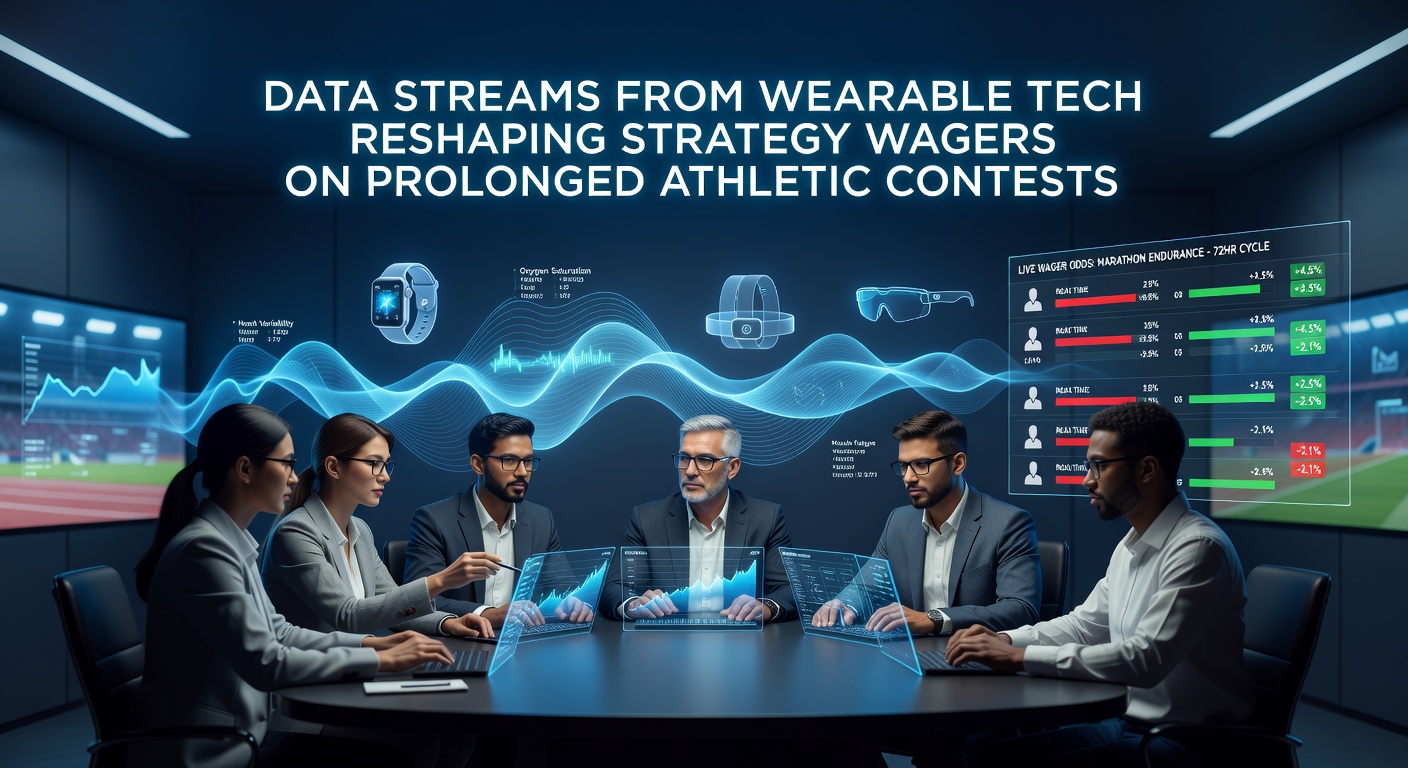
Endurance events such as marathons, ultra-trail runs, and multi-stage cycling tours generate extended timelines where minute physiological shifts can swing outcomes, and wearable devices now feed continuous data streams that reshape how markets price those possibilities. Heart-rate variability, core-temperature estimates, and power-output metrics travel from sensors on athletes directly into analytics platforms that adjust live odds within seconds of each new reading. Bookmakers integrate these feeds to refine implied probabilities on factors like finish times, mid-race leader changes, and withdrawal risks, while bettors who access similar data sources adjust their positions before traditional statistics reflect the same fatigue patterns.
How Sensor Networks Capture and Transmit Performance Indicators
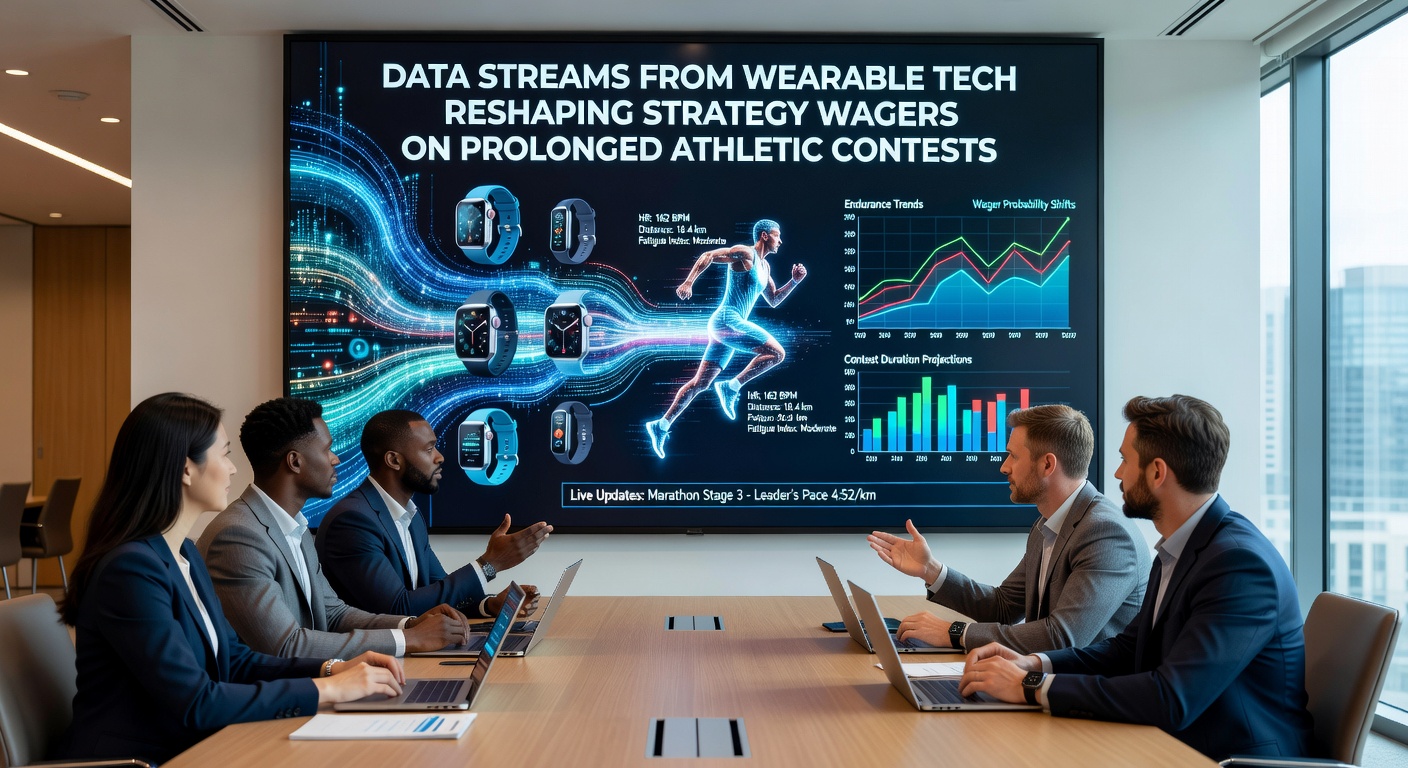
Modern wearables combine optical heart-rate sensors, inertial measurement units, and GPS modules to produce timestamped records every few seconds, and these packets move through encrypted channels to team dashboards or third-party aggregators. Researchers at institutions such as the American College of Sports Medicine have documented how elevated heart-rate drift over 90 minutes correlates with a measurable drop in sustainable pace, giving markets an early signal that certain competitors may fade in the final quarter of an event. Because prolonged contests unfold across hours rather than minutes, even small deviations in cadence or hydration proxies accumulate into statistically significant edges that live-betting engines translate into revised spreads and totals.
Market Adjustments During Live Endurance Windows
Betting operators now maintain dedicated data pipelines that ingest wearable streams alongside conventional inputs like split times and weather telemetry, so a cyclist whose power-to-weight ratio declines steadily through a mountain stage sees fractional odds lengthen within a minute of the updated metric appearing. In May 2026 the Giro d'Italia will feature enhanced sensor coverage across all teams, and analysts expect the volume of in-play wagers placed after each feed update to rise compared with previous editions where only manual timing data existed. Those who monitor both public leaderboards and private biometric feeds gain the ability to identify when a rider’s recovery interval between efforts lengthens, prompting earlier bets on stage winners or overall classification movements before the peloton reaches the next feed zone.
Case Examples from Recent Multi-Hour Events
One documented instance occurred during the 2025 Comrades Marathon when a leading runner’s recorded heart-rate variability dipped below established thresholds for that athlete, and several exchanges adjusted the odds on that runner holding the lead by more than three percentage points within 90 seconds of the data release. Observers note that similar patterns surfaced in the 2024 Ironman World Championship at Kailua-Kona, where core-temperature estimates above 39 degrees Celsius preceded a cluster of mid-pack athletes losing ground over the final 10 kilometres; markets responded by shortening prices on athletes whose temperature curves remained flatter. These episodes illustrate how the combination of continuous monitoring and rapid dissemination creates feedback loops that compress the time between physical change and market reaction.
Regulatory and Privacy Considerations Across Jurisdictions
Data-protection frameworks in the European Union and Australia require explicit consent for the sharing of biometric information with commercial third parties, and several operators have introduced anonymised aggregate feeds that satisfy those rules while still supplying usable signals for odds modelling. Industry reports from the Australian Sports Commission highlight that federated learning techniques allow models to train on pooled endurance datasets without exposing individual athlete identities, thereby balancing competitive integrity with regulatory compliance. Because prolonged athletic contests often cross multiple regulatory zones, platforms must reconcile differing consent standards before routing the same data stream to bettors in separate markets.
Future Integration Pathways for Analytics Platforms
Developers continue to refine algorithms that fuse wearable outputs with environmental variables such as altitude-adjusted oxygen saturation and wind-adjusted power requirements, and these combined models project finish-time distributions with narrower confidence intervals than those derived from historical averages alone. As sensor accuracy improves and latency drops below one second, the distinction between scouting reports and live odds will narrow further, particularly in events that stretch beyond four hours where cumulative physiological load becomes the dominant predictor. Observers tracking May 2026 schedules anticipate that several major ultra-endurance organisers will publish open data protocols, allowing independent researchers to test new predictive variables against verified race outcomes.
Conclusion
The convergence of wearable sensor networks and live-betting infrastructure has already altered how markets evaluate extended athletic contests, and the trend shows no sign of reversal. Continuous biometric streams supply earlier and more granular indicators of fatigue, pacing sustainability, and withdrawal risk than traditional timing systems alone, enabling rapid recalibration of odds throughout events that last many hours. As regulatory environments adapt and modelling techniques mature, participants on both sides of the market will rely increasingly on these data flows to inform strategy in prolonged competitions.