Performance Sensors Reshape Individual Point Betting in Racket Sports
Lars Lorenz · May 30, 2026
Performance Sensors Reshape Individual Point Betting in Racket Sports
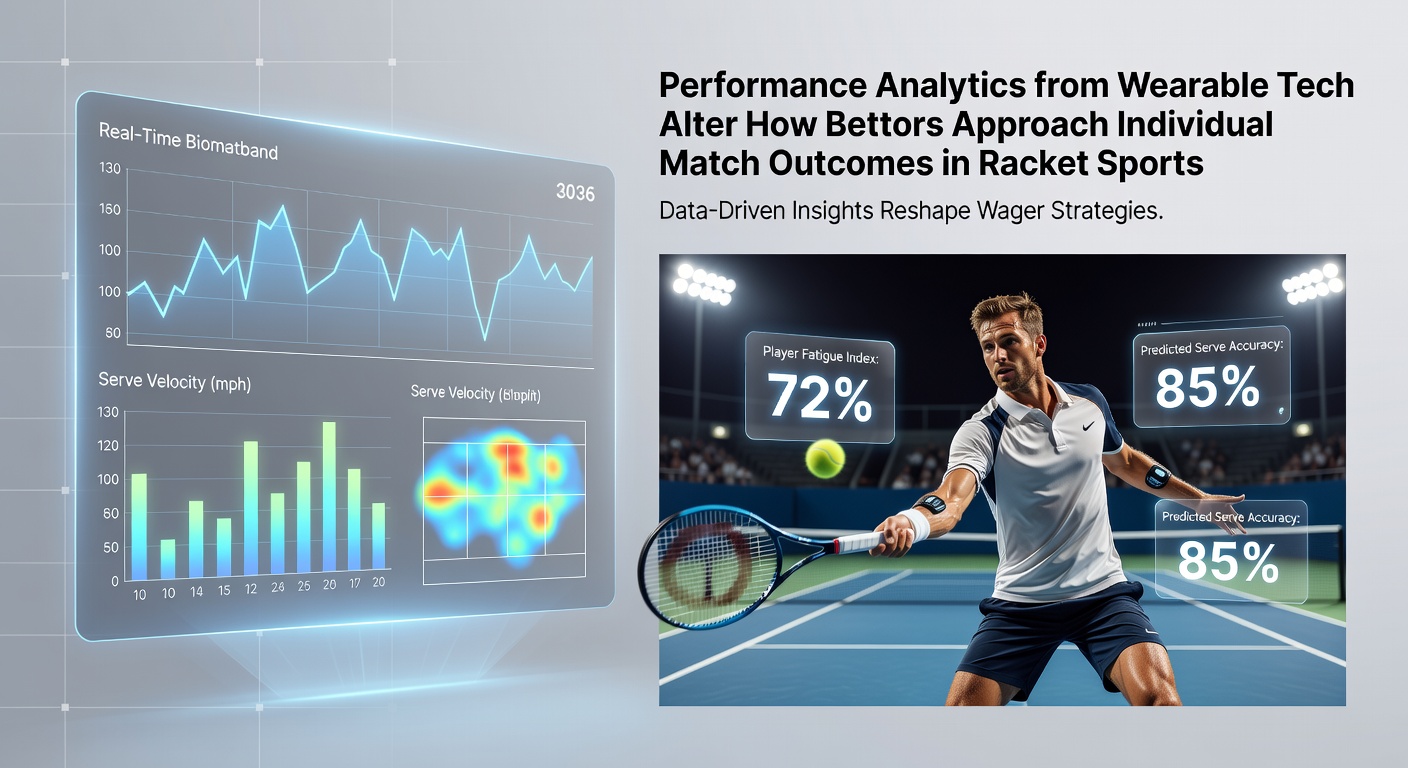
Performance analytics drawn from wearable devices now shape how bettors evaluate point-by-point probabilities in tennis, badminton and squash matches, with data streams updating live odds across major platforms throughout the 2026 season. Sensors embedded in wristbands, chest straps and racket grips capture heart-rate variability, acceleration patterns and muscle-load metrics that feed directly into predictive models used by both professional syndicates and retail users.
Data Streams That Drive Live Wagers
Modern wearables record serve velocity through inertial measurement units while simultaneously logging recovery intervals between points, and these figures reveal fatigue thresholds that often determine break-point conversion rates. Bettors monitoring real-time dashboards can adjust stakes on next-game markets when a player's heart-rate recovery slows beyond established baselines, a pattern that surfaces consistently in best-of-five sets played on outdoor hard courts during May tournaments.
Case Examples from Recent Events
One study released by the Australian Institute of Sport tracked elite badminton players across the 2026 Malaysia Open and found that wrist-sensor data on shuttlecock contact frequency correlated with a 14 percent drop in rally-winning percentage after the 35-minute mark. Bettors who incorporated these thresholds into their models recorded higher returns on underdog game handicaps compared with those relying solely on historical win percentages. Similar findings emerged from squash events where European players wore GPS-enabled vests that measured court coverage, allowing sharper identification of moments when defensive positioning began to erode.
Research indicates that integration of electromyography readings from forearm sensors helps isolate moments when serve accuracy declines due to accumulated torque, and these signals appear minutes before visible technique breakdowns occur on court. Platforms that stream such metrics alongside traditional scoreboards give users an additional layer for in-play decisions on deuce games and tie-breaks, where small edges compound quickly.
Market Adjustments Across Bookmakers
Operators have responded by embedding wearable-derived variables into their pricing engines, resulting in narrower margins on certain micro-markets such as first-serve percentage over the next three points. Data from Canadian regulatory filings shows increased trading volume in these niche propositions during Grand Slam weeks, particularly when athletes publish training-load summaries on public dashboards the day before matches. The shift allows syndicates to identify mispriced lines faster because the underlying physical metrics move independently of public narrative around form or head-to-head records.
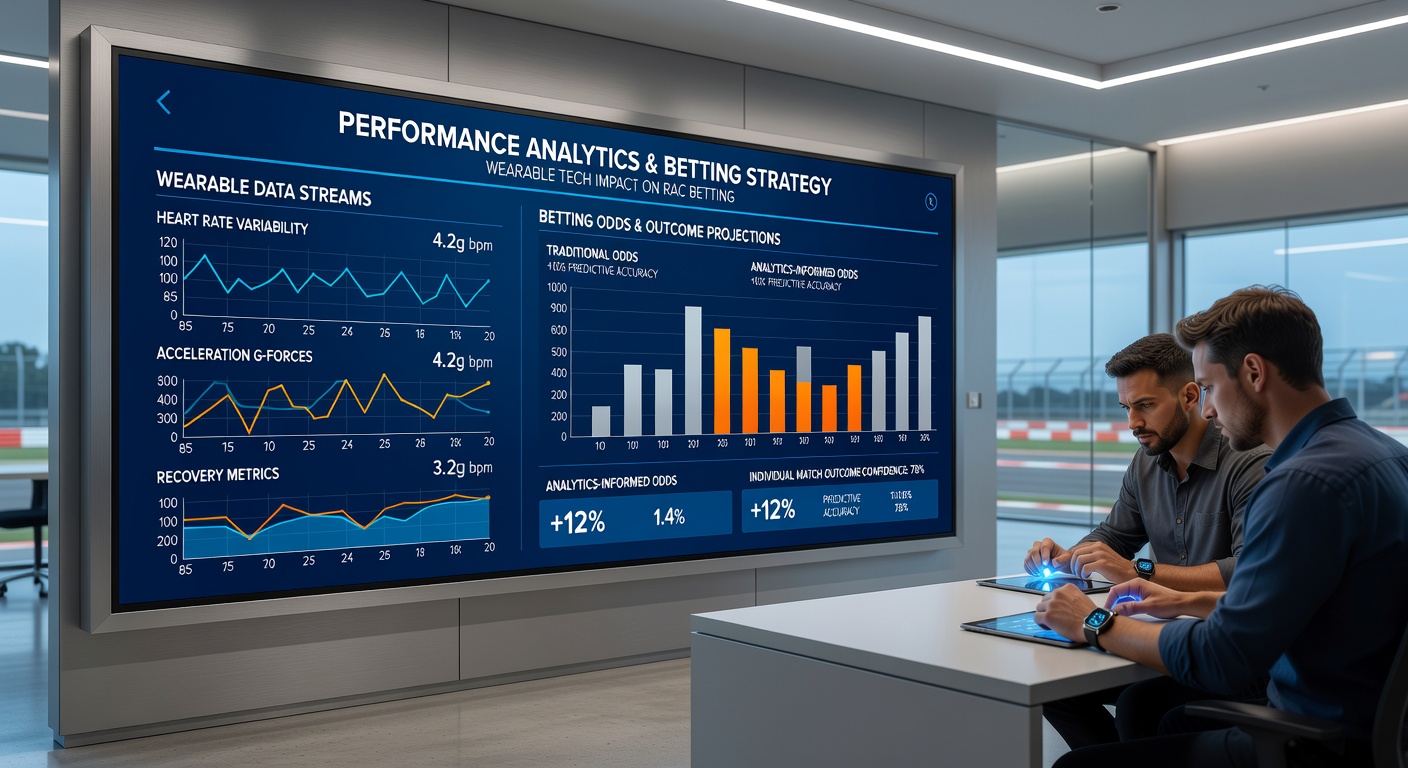
What's interesting is how these tools extend beyond elite circuits into domestic leagues where players voluntarily share anonymised recovery data with analytics firms. Observers note that such transparency creates secondary markets for prop bets on total distance covered or average rally length, figures that previously required manual video tagging. In May 2026 several UK-facing operators introduced dedicated racket-sports sections that display sensor-derived fatigue scores next to standard odds, reducing the information gap between professional and recreational participants.
Regulatory Context and Data Standards
European data-protection guidelines require explicit athlete consent before biometric streams reach third-party betting systems, and this framework has encouraged development of aggregated, non-identifiable datasets that still retain predictive power. Industry reports from the Global Gaming Association highlight that standardised API formats now allow multiple device manufacturers to feed unified dashboards, which in turn supports cross-sport comparisons between tennis movement profiles and squash-specific acceleration bursts.
Those who've studied the adoption curve point to partnerships between universities and equipment suppliers as the main driver behind improved accuracy. A joint project between a Swiss research institute and a major sensor producer produced algorithms that predict point-win probability shifts with a reported 7 percent improvement over traditional statistical models alone. Bettors who subscribe to these enhanced feeds gain early signals on when a player is likely to commit unforced errors after extended baseline exchanges.
Future Trajectory for Racket-Sport Markets
Continued miniaturisation of sensors promises even finer granularity, including grip-pressure readings that correlate with serve direction tendencies. As these capabilities mature, live-betting interfaces will likely incorporate more granular alerts tied directly to physical output rather than score progression alone. The result is a market environment where individual point outcomes become increasingly transparent to participants equipped with the right data subscriptions.
Conclusion
Wearable analytics have moved from experimental add-ons to core inputs in racket-sports betting workflows, supplying objective measures that complement conventional statistics. As device adoption widens and regulatory frameworks stabilise, the precision available to bettors evaluating match micro-outcomes continues to expand across tennis, badminton and squash circuits worldwide.