Managing Volatility: Bookmaker Tactics in Peak Live Event Wagering
Rosa Sullivan · Jul 18, 2026

Managing Volatility: Bookmaker Tactics in Peak Live Event Wagering
Bookmakers face intense pressure when live events draw massive betting volumes, and they rely on layered systems to keep exposure in check while markets shift every few seconds. Data from major operators shows that during peak periods such as the group stages of the 2026 FIFA World Cup in July, transaction counts can surge by factors of five or more within minutes of key match incidents like goals or red cards. These spikes force rapid recalculations across thousands of active bets, and risk teams must balance liquidity, customer limits, and hedging opportunities without pausing the flow of wagers.
Real-Time Monitoring Infrastructure
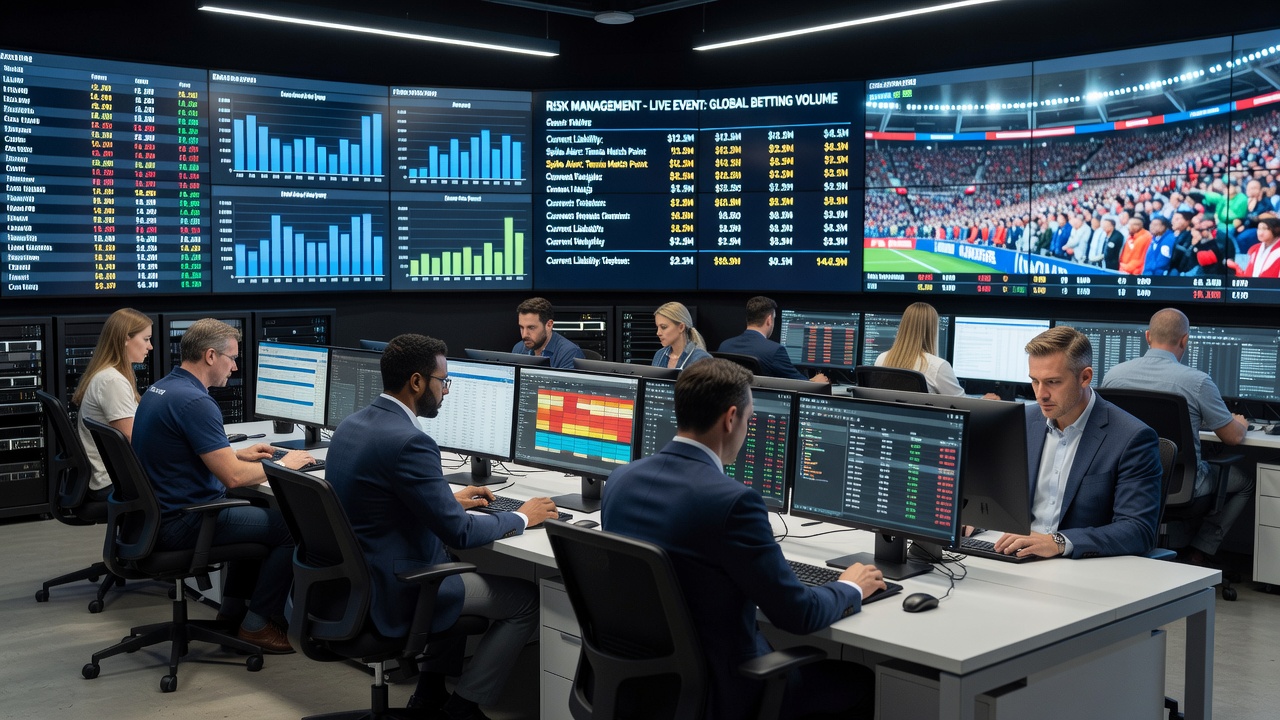
Teams operate from central control rooms equipped with integrated platforms that pull feeds from multiple sports data providers simultaneously, and they combine these inputs with internal liability trackers to flag imbalances the moment they appear. One common setup involves automated alerts that trigger when a single outcome accumulates beyond predefined thresholds, yet human supervisors retain final authority to approve or override adjustments because algorithms alone cannot always account for sudden contextual changes such as weather shifts or player substitutions. Observers note that such hybrid oversight reduces the chance of runaway liabilities during events like Grand Slam tennis matches or major football fixtures where live betting accounts for the majority of turnover.
Dynamic Odds Adjustment and Liability Caps
Odds engines recalculate prices continuously using models that factor in remaining time, score differentials, and historical patterns from comparable situations, while risk managers impose temporary stake caps on high-exposure selections to prevent further accumulation. When volumes exceed internal tolerance levels, operators often route excess bets through exchange partnerships or lay off portions with other bookmakers, and this process happens in the background so that retail and online customers experience minimal disruption. Research from the American Gaming Association indicates that such hedging strategies became more sophisticated after 2024, with many firms adopting machine-learning tools that predict liability spikes minutes before they materialize based on betting velocity rather than final scores alone.
Technology and Human Decision Layers
Behind the automated systems sit specialized traders who monitor sector-specific dashboards, and they step in when correlations across related markets, such as total goals and player performance props, create unintended risk clusters. These professionals work in shifts timed to event schedules, and during July 2026 tournaments they often handle overlapping calendars that include both football and tennis simultaneously. Data feeds from sources like Opta or Sportradar integrate directly into these platforms, allowing quick identification of anomalies that might signal either genuine market movement or potential irregularities, though operators maintain strict separation between risk control and compliance functions to preserve operational integrity.
Regulatory and Operational Safeguards
Operators must comply with varying jurisdictional requirements that dictate maximum exposure limits and reporting frequencies, and in markets overseen by bodies such as the Nevada Gaming Control Board or the Australian Communications and Media Authority these rules often include mandatory stress testing of risk systems ahead of major events. Internal protocols require daily reconciliation of live betting liabilities against settled outcomes, and any discrepancies trigger immediate reviews that can lead to temporary market suspensions on specific selections. Those who have examined industry reports note that firms with diversified geographic footprints tend to spread risk more effectively because correlated events rarely hit all regions at once, allowing capital reserves in one market to offset pressures elsewhere.
Case Patterns in High-Volume Scenarios
During extended tournaments, patterns emerge where early-session betting concentrates on favorites, only for later adjustments to balance books once underdogs attract support, and risk teams track these shifts through cumulative exposure graphs updated in real time. One documented approach involves pre-setting automated hedge triggers that activate once a market reaches 60 percent of its internal cap, yet manual intervention remains essential when external factors such as broadcast delays or crowd incidents alter expected bet flows. Studies compiled by academic groups including the University of Nevada, Las Vegas International Gaming Institute have examined these dynamics across multiple seasons and found that operators who maintain flexible credit lines with peer companies experience fewer forced market closures during peak windows.
Conclusion
Effective risk management in live betting environments depends on the seamless integration of technology, human judgment, and regulatory compliance, and the approaches continue to evolve as event calendars grow denser and data sources multiply. Operators that refine their monitoring tools and hedging networks position themselves to handle volume surges without compromising market availability, while those who lag risk larger swings in their overall positions. The systems in place during July 2026 events reflect years of incremental improvements driven by both operational necessity and external oversight, ensuring that high-volume periods remain sustainable for the industry as a whole.