How Modern Payment Solutions Are Redefining Transaction Processes in Online Gambling
Rosa Sullivan · Jul 20, 2026
How Modern Payment Solutions Are Redefining Transaction Processes in Online Gambling
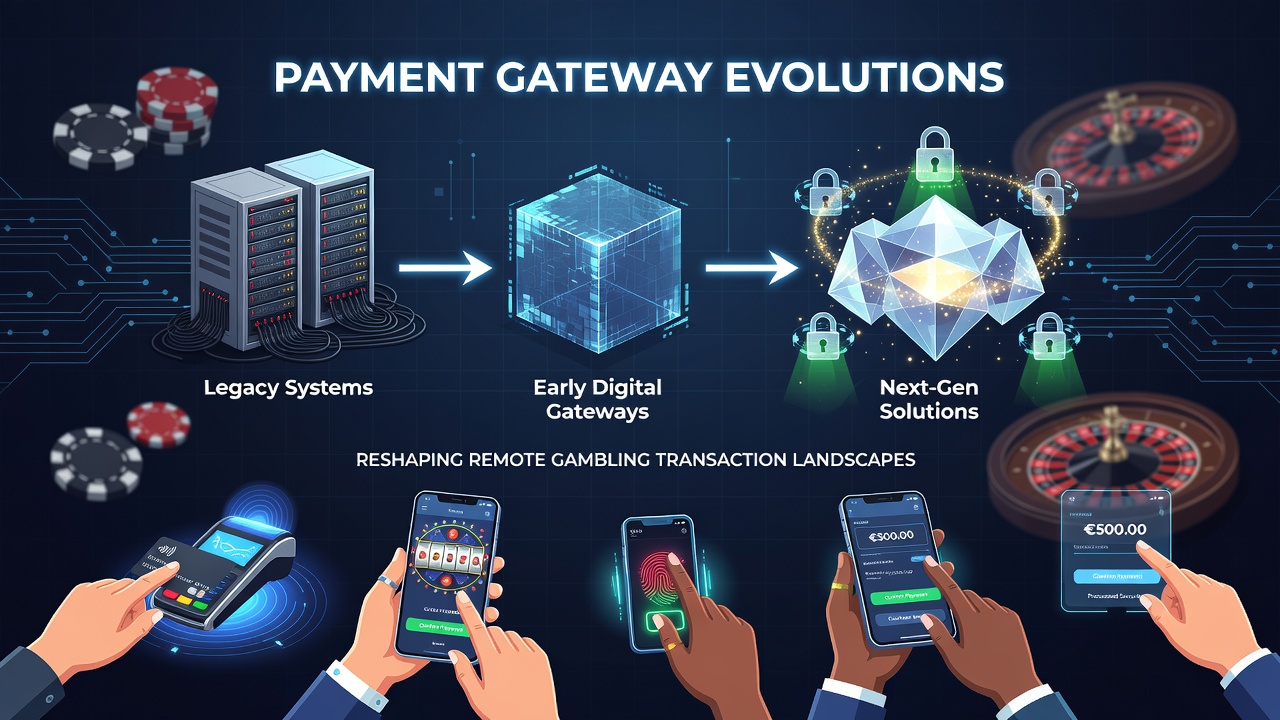
Payment gateways have undergone substantial changes in recent years as remote gambling platforms adapt to new transaction demands, and these shifts continue through July 2026 with increased integration of open banking protocols alongside traditional card processing systems. Operators now rely on layered architectures that combine instant verification tools with multi-currency support to handle cross-border activity without extended delays. Data from industry monitoring groups indicates that transaction volumes processed through digital gateways rose steadily between 2023 and 2025, driven by mobile-first interfaces that reduce friction during deposit and withdrawal stages.
Core Technological Shifts in Gateway Architecture
Developments in application programming interfaces have allowed gateways to connect directly with banking networks and alternative payment providers, creating seamless pathways for users who prefer e-wallets or prepaid options over conventional cards. These connections support real-time authorization checks that flag suspicious patterns while maintaining processing speeds under two seconds for most approved transfers. Observers note that adoption of tokenization standards has expanded across platforms operating in multiple jurisdictions, replacing stored card details with encrypted references that limit exposure during data breaches. Such measures align with broader security frameworks implemented by financial regulators outside the United Kingdom, including guidelines from the Australian Securities and Investments Commission that emphasize encryption requirements for high-volume consumer services.
Regional Variations and Regulatory Influences
European markets have incorporated elements of the revised Payment Services Directive to enable account-to-account transfers that bypass card networks entirely, resulting in lower per-transaction costs for operators handling frequent small wagers. In contrast, North American platforms have prioritized partnerships with regional banks to comply with state-level rules on fund segregation and reporting, while Asian operators focus on localized mobile payment apps that integrate with popular messaging services. Research published by the European Gaming and Betting Association highlights how these regional adaptations have produced distinct gateway ecosystems, each optimized for local banking infrastructure and consumer preferences. Figures from that organization show that account-to-account methods accounted for over 30 percent of remote gambling deposits in monitored European markets by the end of 2025.
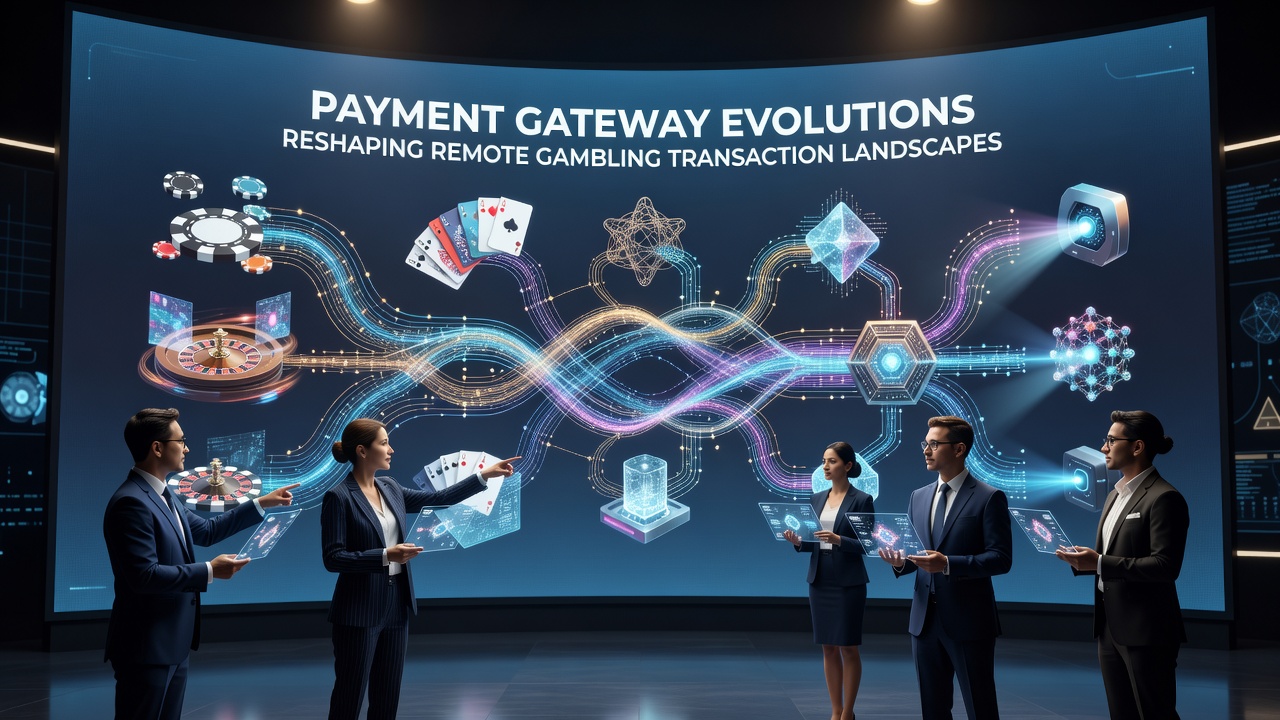
Meanwhile, emerging markets in Latin America have seen gateways incorporate biometric authentication layers that tie user verification to device sensors, addressing concerns around identity fraud in regions with less centralized credit reporting. These additions have coincided with expanded licensing regimes that require operators to demonstrate transaction monitoring capabilities before receiving approval to launch services.
Impact on User Experience and Settlement Times
Settlement speeds for withdrawals have improved as gateways implement automated reconciliation processes that clear funds within hours rather than days, particularly when users select instant payout options tied to verified bank accounts. Case studies from operators in regulated Canadian provinces demonstrate that these faster cycles correlate with higher retention rates among players who previously encountered delays with legacy processors. The introduction of dynamic routing algorithms allows gateways to select the most reliable payment rail for each transaction based on real-time network conditions, minimizing failed attempts that previously required manual intervention.
Additional features such as spend limit controls and automated tax reporting summaries have become standard in many gateway packages, providing operators with built-in compliance tools that reduce administrative overhead. These functions draw on aggregated transaction data to generate reports that satisfy varying disclosure obligations across different licensing authorities.
Security Enhancements and Fraud Prevention Measures
Advanced machine learning models integrated into gateway platforms analyze behavioral signals during each session, comparing current activity against historical patterns to detect anomalies before funds move. Such systems have contributed to measurable declines in chargeback rates according to aggregated industry reports covering multiple continents. Multi-factor authentication flows now combine device fingerprinting with one-time codes delivered through secure channels, creating barriers that deter unauthorized access without adding excessive steps for legitimate users.
Collaboration between gateway providers and cybersecurity firms has produced shared threat intelligence networks that update risk profiles daily, enabling quicker responses to emerging attack vectors targeting gambling transaction streams. These partnerships operate alongside regulatory audits that verify adherence to data protection standards established by bodies such as those in the Asia-Pacific region.
Conclusion
Payment gateway evolution continues to influence how remote gambling transactions are initiated, verified, and completed, with ongoing refinements in connectivity, security, and regional compliance shaping operational practices through 2026 and beyond. Stakeholders track these developments through reports from organizations including the European Gaming and Betting Association and comparable entities in other regions to understand shifting patterns in transaction handling. The resulting landscape features more interconnected systems that balance speed, cost, and regulatory requirements while supporting expanding user bases across diverse markets.