High Street Betting Outlets Report Significant Closures Following Budget Tax Adjustments
Rosa Sullivan · Aug 13, 2026

High Street Betting Outlets Report Significant Closures Following Budget Tax Adjustments
The Betting and Gaming Council has documented more than 540 high-street betting shop closures across the UK along with approximately 4,500 job losses occurring since the previous Budget introduced new tax measures, and these figures add to an established pattern of contraction that began earlier when roughly 3,000 shops and over 15,000 positions disappeared between 2019 and the start of the most recent changes.
Details from the Latest Industry Update
Grainne Hurst, chief executive of the Betting and Gaming Council, outlined how additional tax increases now under consideration, including a potential doubling of online gaming duty together with forthcoming rises in sports betting duty, continue to place pressure on businesses that operate both physical shops and digital platforms, while the combined effects have already produced reduced footfall on high streets, fewer employment opportunities, and diminished financial contributions to British sport through sponsorship and levy arrangements.
Observers note that integrated retail and online operators face particular strain because the same tax framework applies across channels, yet the physical locations carry fixed costs such as rent, staffing, and local rates that online-only competitors avoid, and this disparity accelerates decisions to close marginal shops rather than absorb further cost increases.
Employment and Local Economy Effects
Job losses have concentrated in town centres adn suburban parades where betting shops once provided steady employment for counter staff, managers, and security personnel, and the cumulative reduction of 4,500 positions since the latest Budget compounds earlier cuts that removed more than 15,000 roles over the preceding five-year period, leaving many workers seeking retraining in sectors that have not expanded at the same rate.
Local authorities in affected areas report lower business rates income and reduced pedestrian traffic that once supported nearby cafes, newsagents, and transport links, while the Betting and Gaming Council data shows that shops remaining open have trimmed opening hours and staff rosters to control costs amid the higher tax burden.
Industry Warnings on Market Shifts
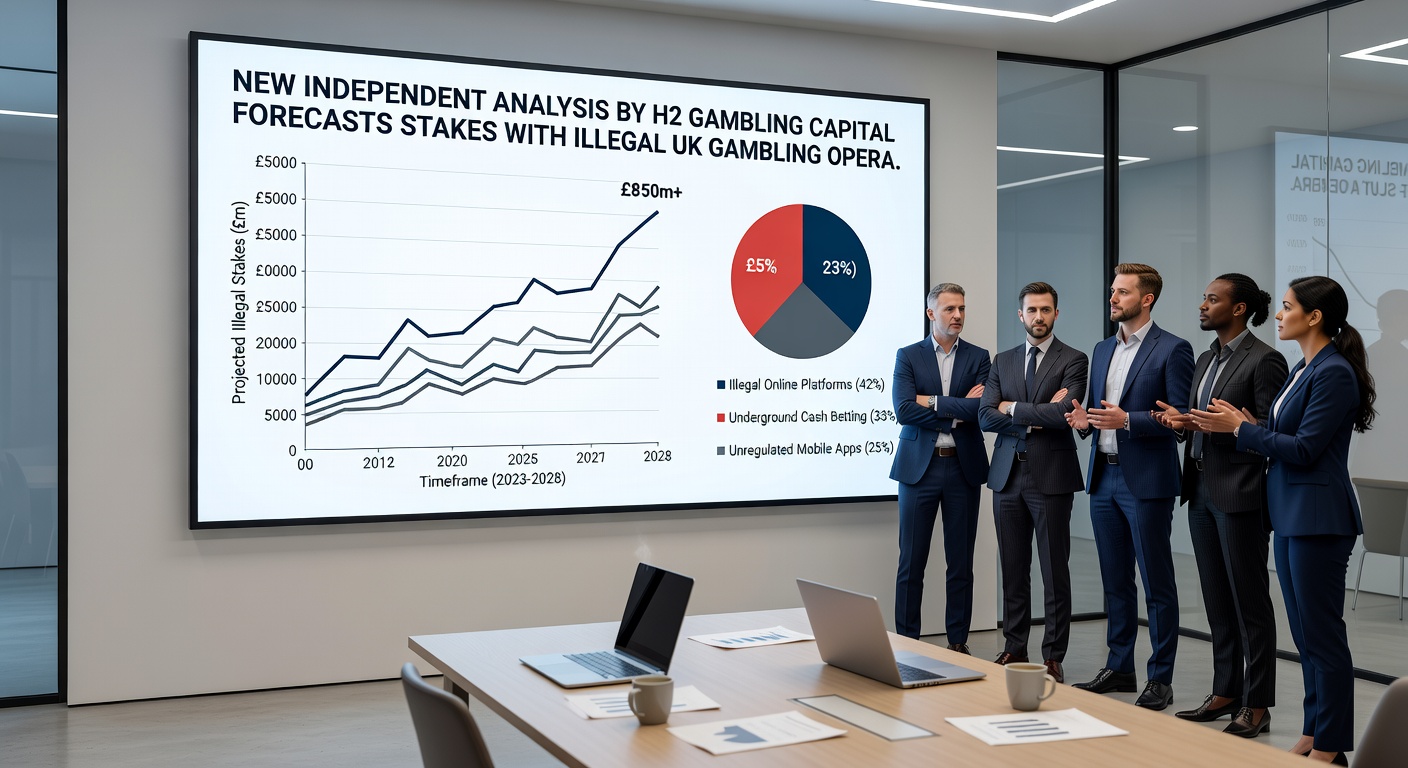
Hurst stated that further duty rises risk accelerating movement of betting activity into unregulated channels that operate outside UK tax and consumer protection rules, and the council's figures indicate that each additional tax increment coincides with measurable shop closures rather than increased revenue collection from the regulated sector.
Those monitoring the sector point out that British sport receives substantial funding through voluntary levies and sponsorship agreements tied to licensed operators, and any contraction in the number of active shops reduces the base available to support these contributions without an offsetting rise in online volumes that are subject to the same duty pressures.
Context Within Broader Retail Trends
High-street betting outlets have operated alongside changing consumer habits that favour mobile apps, yet the physical premises continue to serve customers who prefer in-person transactions or require assistance with complex bets, and the closure numbers released by the Betting and Gaming Council demonstrate that tax policy changes have outweighed any organic shift to digital platforms in driving recent site reductions.
As of August 2026 the cumulative impact since 2019 stands at approximately 3,540 shops and 19,500 jobs, according to the combined data sets, and the latest tranche of closures shows no sign of slowing while the outlined tax adjustments remain in discussion.
Conclusion
The Betting and Gaming Council report supplies concrete numbers on shop closures and employment reductions that trace directly to the sequence of Budget tax changes, and the organisation continues to track how further duty increases may influence the balance between regulated high-street operations and other betting channels operating beyond current oversight.