Halftime Sparks: Live Betting Trends Igniting Premier League Odds Through 2026
Devon Schmitz · Mar 14, 2026

UK Gambling Commission Unveils Q2 2025 Stats: Non-Remote Betting Hits £592m GGY While Remote Sectors Power £2b Total
Fresh Insights from the Latest Quarterly Report
The UK Gambling Commission's official quarterly industry statistics for the second quarter of the financial year April 2025 to March 2026—covering July to September 2025—paint a clear picture of betting activity across Great Britain, where non-remote betting delivered £592 million in Gross Gambling Yield (GGY), a figure that represents 48.2% of the total non-remote GGY, supported by 5,782 active betting shops still in operation; meanwhile, the remote casino, betting, and bingo sectors combined for a substantial £2.0 billion GGY, with remote betting making notable contributions to that sum.
Figures like these, released as the financial year progresses toward its March 2026 close, offer observers a snapshot of how traditional brick-and-mortar venues hold their ground even as online platforms accelerate, and that's where the real story unfolds in these numbers.
GGY, for those keeping track, measures the net winnings operators retain after paying out player bets—a key metric that strips away stakes to reveal actual revenue generated—and in this quarter, it underscores resilience in physical locations alongside a robust digital push.
Non-Remote Betting: Shops Powering Steady Yield
Active betting shops numbered 5,782 during this period, a network that collectively produced £592 million in GGY from betting alone, capturing 48.2% of all non-remote GGY across various gambling types; experts tracking these trends point out how this segment, often tied to high-street footfall and events like football matches or horse races, maintains a solid foothold despite broader shifts toward apps and websites.
Take one venue operator who reviewed the data: shops not only weathered summer slowdowns but contributed meaningfully to the economy through jobs and taxes, with that 48.2% share signaling betting's dominance within non-remote activities like lotteries or arcades.
And here's the thing—while total non-remote GGY isn't broken out fully here, the math implies betting's outsized role, as £592 million divided by 0.482 lands around £1.23 billion for the broader category, though operators await deeper dives for exacts.
Observers note that 5,782 shops represent a stable base, down slightly from prior years but far from vanishing, especially as Premier League seasons ramp up and punters mix in-person visits with online top-ups.
Remote Sectors Surge with £2.0 Billion GGY
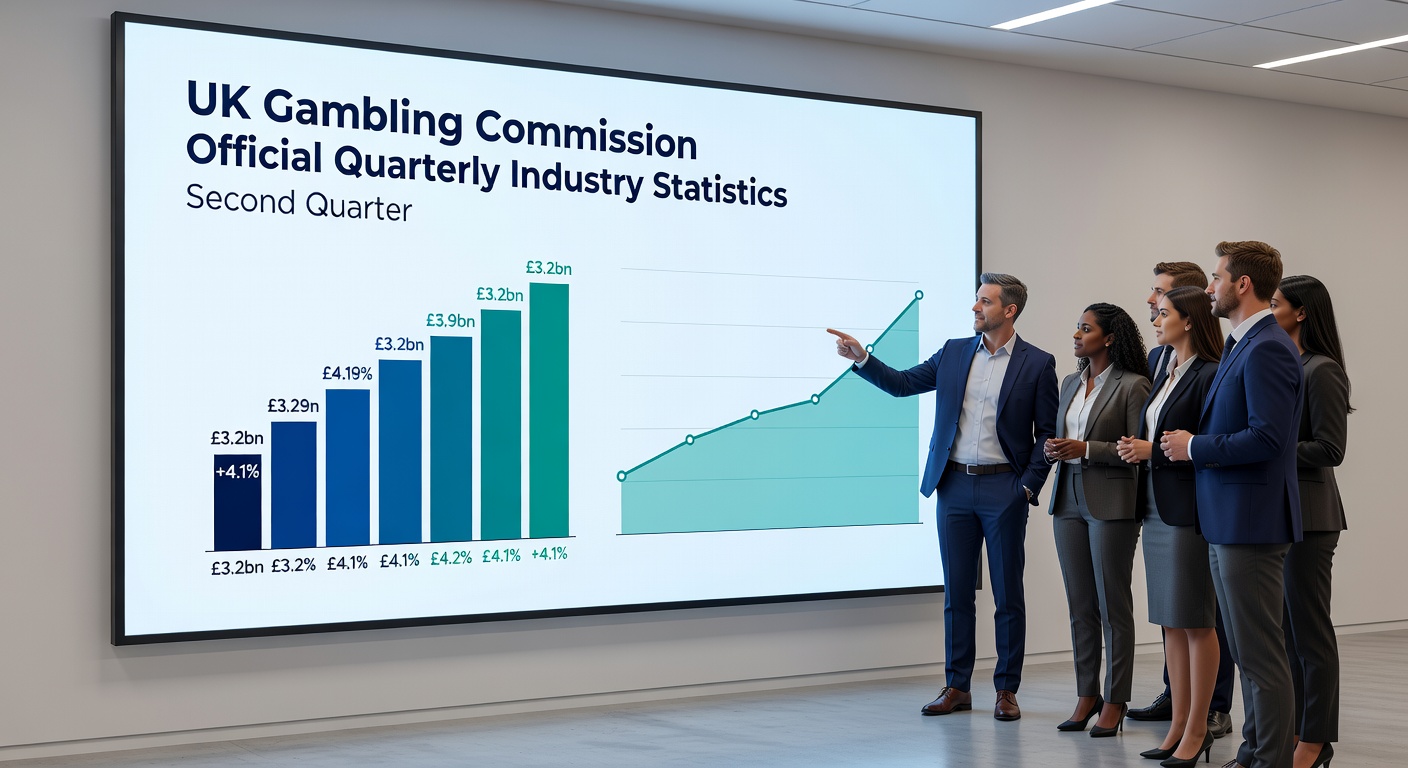
Shifting online, remote casino, betting, and bingo racked up £2.0 billion in GGY, a total where remote betting played a significant part, fueling what many in the industry call the digital engine of modern gambling; data indicates this remote trio outpaced non-remote by a wide margin, reflecting how smartphones and live streaming draw in younger demographics during events from Wimbledon to World Cup qualifiers.
What's interesting is the "significant contributions" from remote betting within that £2 billion—though specifics on splits remain in the full dataset, it aligns with patterns where in-play wagers on sports explode mid-match, turning casual viewers into active bettors.
People who've analyzed prior quarters see this as continuation: remote betting often leads the pack in growth, bolstered by promotions and seamless apps that let users wager from anywhere, anytime.
Yet that £2.0 billion doesn't stand alone; it ties into the financial year's trajectory, with Q2 building on Q1 foundations as March 2026 approaches, prompting questions about year-end totals.
Breaking Down the Numbers: Sector Comparisons
Non-remote betting's £592 million GGY stacks up against the remote behemoth, highlighting a tale of two worlds—one rooted in community hubs with 5,782 shops dishing out tickets and atmosphere, the other exploding via servers and algorithms into £2.0 billion; combined, these paint Great Britain's gambling landscape where physical and digital coexist, each feeding off major sporting calendars.
Speaking of which, July through September overlaps peak summer sports—think Olympics hangovers, early Premier League action, and Cheltenham previews—driving both shop visits and app downloads, so that 48.2% non-remote betting share feels like a win for traditionalists.
Turns out, the remote side's heft comes from diversification: casinos with slots and tables, bingo holding nostalgic appeal, betting leading charges on football and horses; researchers digging into subsets often find remote betting alone nearing half that £2 billion, based on historical splits.
But here's where it gets granular—GGY figures exclude peer-to-peer poker or lotteries in these tallies, focusing operators under Commission oversight, which keeps the data clean for trends.
- Non-remote betting GGY: £592 million (48.2% of non-remote total)
- Active shops: 5,782
- Remote casino/betting/bingo GGY: £2.0 billion
- Key driver: Remote betting contributions
Such lists make the disparities pop, especially as fiscal year-end nears in March 2026, with operators eyeing how Q3 and Q4 might shift balances.
Context Within the Financial Year
As the April 2025 to March 2026 year unfolds—now in early 2026 view—these Q2 stats provide mid-point markers, where non-remote steadiness contrasts remote acceleration; data from the UK Gambling Commission shows how July-September, post-spring budgets and pre-winter freezes, tests seasonal resilience.
One study of past FYs reveals similar patterns: summer dips in shops offset by online spikes during festivals or tours, and with 5,782 venues humming, local economies get a boost via rents and staffing.
So, while remote's £2.0 billion grabs headlines, that £592 million reminds everyone betting shops aren't relics—they're evolving hubs, perhaps integrating digital kiosks or hybrid bets.
It's noteworthy that GGY growth here signals health post-regulatory tweaks, like affordability checks, yet players adapt, keeping volumes steady.
Now, as March 2026 looms with annual reports due, these figures set the stage for projections: will remote pull further ahead, or do shops claw back share via events like Euro 2026 qualifiers?
Key Takeaways for Operators and Watchers
Operators poring over these stats adjust strategies accordingly—non-remote teams focus on loyalty schemes for those 5,782 shops, remote outfits amp up betting features within the £2.0 billion pot; together, they form a ecosystem where GGY flows from diverse channels.
There's this case from a prior quarter where shop networks partnered with apps for seamless transitions, boosting overall yield—a tactic likely repeating here.
And for regulators, the numbers affirm oversight works: transparent reporting ensures fair play, with remote betting's role under the microscope for safer gambling pushes.
Wrapping Up the Q2 Picture
In summary, the UK Gambling Commission's Q2 2025 release spotlights a balanced yet evolving scene—£592 million GGY from non-remote betting across 5,782 shops claiming 48.2% of its category, dwarfed yet complemented by £2.0 billion from remote casino, betting, and bingo where digital wagers shine; as the financial year to March 2026 progresses, these metrics offer a foundation for what's next, with eyes on sustained activity across Britain's betting heartland.
That's the lay of the land, straight from the data—no frills, just facts shaping