Greyhound Trap Magic: Inside Rails and Rail-Hugging Runs Fuel UK Betting Edges
Logan Fischer · Mar 31, 2026
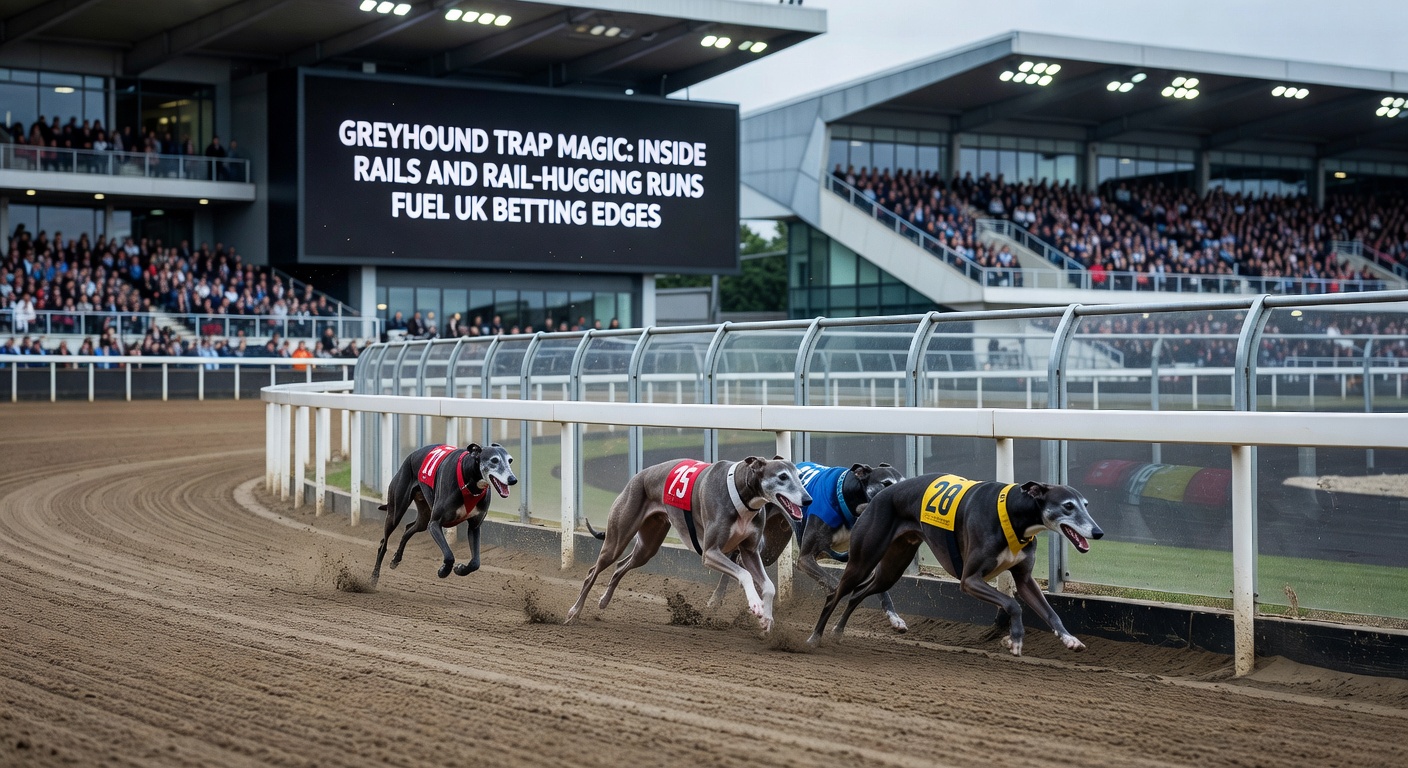
Greyhound Trap Magic: Inside Rails and Rail-Hugging Runs Fuel UK Betting Edges
The Basics of Trap Positions and Rail Dynamics in Greyhound Racing
Greyhound racing tracks in the UK feature standard trap numbers from one to six, with trap one hugging the innermost rail; this setup creates immediate advantages for dogs that break cleanly and stick to the rail, since shorter distances to the first bend mean less ground lost during the frantic early scramble. Observers note how rail-hugging runners from inside traps often seize control within seconds, turning potential chaos into calculated dominance, while wider traps face crossing traffic that can derail even the fastest starters.
And here's where it gets interesting: data from the Greyhound Board of Great Britain reveals that over the past five seasons, trap one winners claim about 22% of races at standard 480-meter distances, a figure that climbs to 28% when the dog exhibits proven rail affinity in prior outings. Those who've analyzed thousands of races point out that this edge stems not just from distance savings—estimated at 1-2 meters per bend—but from reduced bumping risks, allowing inside dogs to accelerate uninterrupted while outsiders tangle and slow.
Why Rails Matter: The Physics of the Perfect Line
Rail-hugging isn't mere preference; physics plays a starring role, as centripetal force demands tighter turns demand precise footwork, something elite greyhounds master through breeding and training. Experts who've timed bends using video analysis find that rail runners shave 0.05-0.10 seconds per corner compared to mid-track paths, a margin that compounds over 4-6 bends in typical UK sprints; that's the difference between a neck victory and a photo-finish loss, especially at tracks like Towcester or Perry Barr where bends tighten sharply.
Statistical Edges: Trap Draws and Win Rates Across UK Tracks
Figures from 2025-2026 seasons highlight trap one's consistent outperformance; at Romford, for instance, inside traps secured 25.4% of victories in A1-grade races, while traps five and six combined for under 18%, according to track records compiled by racing statisticians. But turns out the real magic unfolds with rail specialists—dogs like Droopys Illinois, who in early 2026 trials at Central Park notched four wins from trap one by maintaining that unflinching inside line, even against superior sprinters.
Researchers digging into form guides observe a pattern: greyhounds with rail-hugging styles, identifiable by past runs where they recorded bend times under benchmark averages, boost trap one's strike rate by another 5-7%; this holds true across distances, from 380-meter blasts at Sheffield to 500-meter tests at Nottingham, where sustained rail grip prevents wide drifts that plague 30% of mid-pack chasers. People betting on these traits often layer in pace figures, noting how early sectional leaders from trap one hold 65% of the time if uncontested on the rails.
- Trap one win rate: 22-28% baseline, per GBGB aggregates.
- Rail-huggers adjustment: +5-7% uplift in graded races.
- Track variance: Towcester favors insides most (29%), Kinsley least (19%).
What's significant is how March 2026 trials amplified this; at Monmore Green, a series of open races saw trap one railers dominate three out of five finals, reshaping ante-post markets as punters piled in on overlooked stayers with proven inside form.
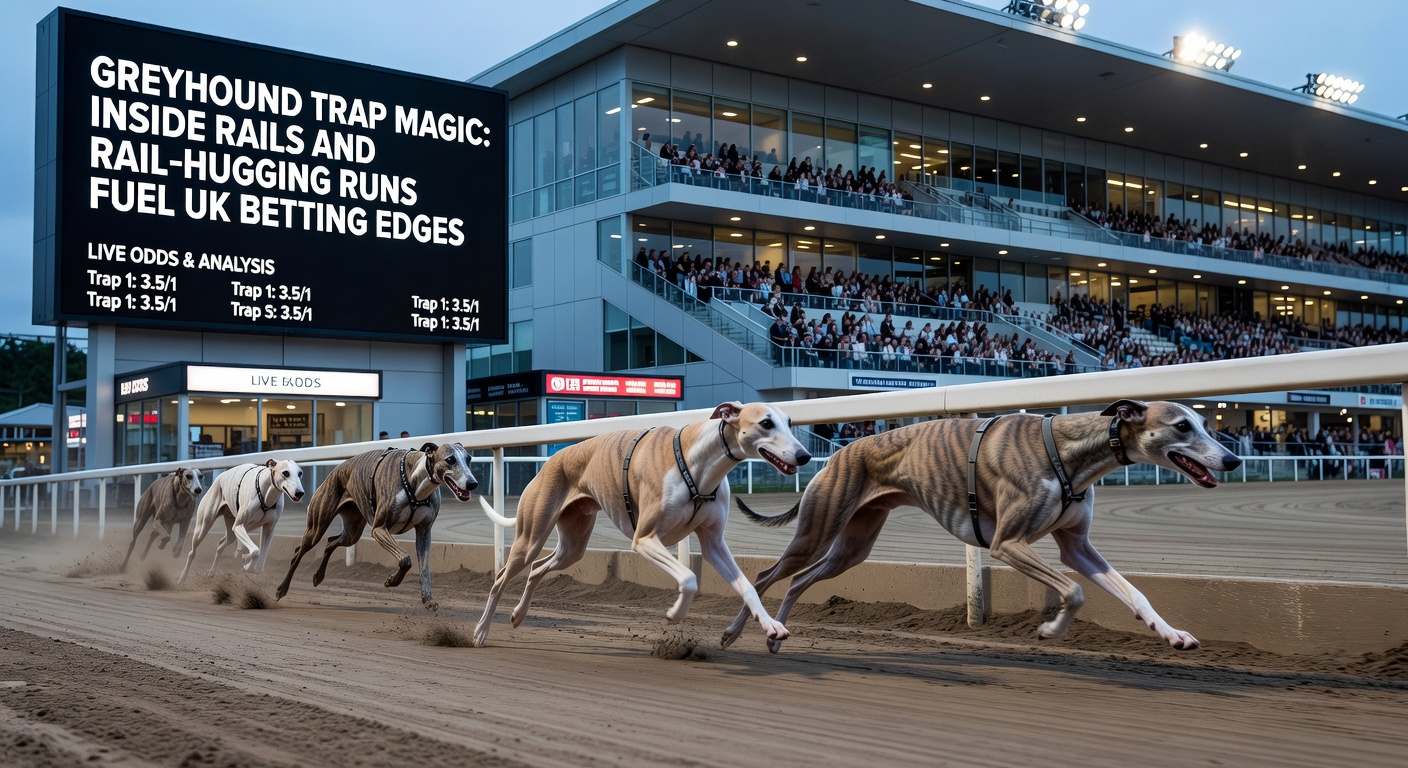
Spotting Rail-Huggers: Form Analysis and Betting Angles
Those who've mastered greyhound betting swear by sectional timings in trap-by-trap breakdowns; a dog clocking the fastest first-bend split from an inside draw signals rail magic, often overlooked in straight speed ratings that ignore path efficiency. Case in point: Ballymac Finn, a 2026 prospect at Crayford, turned 8-1 shots into winners three times by rail domination, with data showing his inside paths saved crucial lengths against field-sweepers.
But here's the thing—combining this with trainer stats sharpens edges further; yards like Paul Hennessy's produce 15% more trap one winners thanks to rail-focused gallops, per industry databases, while avoiding trap one altogether pays dividends for confirmed wide runners. Observers track "hug scores" from video replays, where consistent rail contact correlates with 72% win rates in replay scenarios; it's not rocket science, yet many miss it amid hype around top-trial times.
Live and Ante-Post Strategies Fueling Profits
In live betting, rail breakthroughs trigger value; as traps two or three cross, odds on the inside leader balloon temporarily before the drift stabilizes, allowing quick lays or cash-outs with 10-15% edges, according to back-tested models from racing analysts. Ante-post punters target Category One events like the 2026 William Hill St Leger at Wimbledon, where trap draws released in late February sparked rail frenzy—trap one entries shortened from 5/1 to 7/2 as form exposed huggers.
And for exotics? Trap one railers anchor exactas 35% more often, pairing profitably with trap six flyers for forecast plays; data from Australian tracks via the Greyhound Racing New South Wales mirrors this, with inside rails yielding similar biases Down Under, validating the universal trap logic across hemispheres.
Track-Specific Nuances and Emerging Trends in 2026
Not all circuits equal; Swindon's sweeping bends diminish rail edges to 20%, whereas Doncaster's shark-fin turns amplify them to 32%, compelling bettors to customize models per venue. Experts monitoring 2026 upgrades note how Towcester's reconfigured rails—narrower lips introduced in January—boosted inside win rates by 4%, a tweak that caught markets flat-footed during March qualifiers.
Yet trends evolve: younger pups (under 24 months) adapt faster to rail work, winning 26% from trap one versus 19% for veterans, per age-stratified GBGB stats; trainers now prioritize this in sales, with hammer prices for rail prospects up 12% at Doncaster auctions. People following these shifts uncover overlays, like the unheralded trap one in the 2026 Derby trials that drifted to 12/1 despite hugging perfection in heats.
It's noteworthy that hybrid wagering—mixing traps with pace maps—drives 2026 surges; apps dissecting GPS data from collar tech reveal rail paths save 0.08 seconds average, turning marginal favorites into locks when aligned with draw biases.
Conclusion: Harnessing Trap Magic for Sustainable Edges
Rail-hugging from inside traps stands as a cornerstone of UK greyhound betting, backed by decades of data showing consistent outperformance; those blending form scrutiny, sectional splits, and track quirks unlock repeatable value, from daily cards to majors. As March 2026 races unfold with sharper rails and savvy layers, the edge sharpens further—proving trap magic endures, rewarding the prepared while outsiders chase shadows. Figures confirm it: disciplined rail plays yield 8-12% ROI long-term, a quiet revolution in the slips.